


How Cities Can Reduce Pedestrian Risk During Development
- The Chronicle News

- 4 minutes ago
- 2 min read
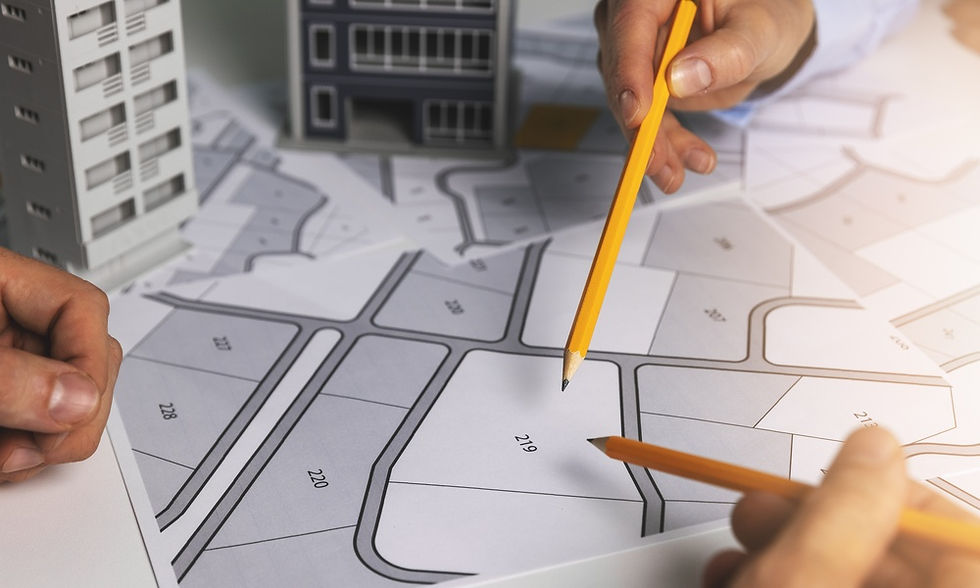
Urban development is essential for growth, but it often introduces temporary risks for pedestrians navigating active construction zones. Understanding how cities can reduce pedestrian risk during development is key to maintaining safety without slowing progress. With the right strategies, municipalities can balance infrastructure improvements with the well-being of residents and visitors.
Proper Pre-Planning
One of the most effective ways cities can improve safety is through thoughtful planning before construction even begins. This includes designing clear pedestrian detours, maintaining accessible walkways, and ensuring proper lighting in high-traffic areas.
When pedestrian routes are predictable and well-marked, confusion is significantly reduced. Cities that prioritize pedestrian flow in their planning stages are far better equipped to prevent injuries.
The Importance of Clear Communication
Another critical factor is communication. Construction projects should not feel like sudden disruptions.
Informing the public ahead of time through signage, local alerts, and digital updates helps pedestrians anticipate changes in their usual routes. This transparency builds trust while giving people the opportunity to adjust their behavior accordingly.
Maintaining Clean and Safe Job Sites
Equally important is the physical condition of the construction site itself. Debris, dust, and poorly maintained perimeters can quickly turn a routine walk into a hazardous situation. Regular site maintenance, including sweeping and debris removal, plays a major role in minimizing risks.
Properly managed sites reduce the likelihood of slips and exposure to harmful materials. Cities and contractors that know how to protect the public from construction site hazards help create safer environments for everyone passing by.
Strengthening Enforcement and Accountability
Enforcement and accountability also contribute to safer urban development. Local governments must ensure that contractors adhere to safety regulations and maintain clear boundaries between work zones and pedestrian areas.
Routine inspections and penalties for non-compliance reinforce the importance of public safety. When safety is treated as a priority rather than an afterthought, the overall risk decreases significantly.
Using Technology to Improve Pedestrian Safety
Technology is increasingly playing a role in improving pedestrian safety as well. Smart sensors and real-time monitoring systems can help cities identify problem areas and respond quickly.
These tools allow for dynamic adjustments, especially in busy urban centers where conditions change rapidly throughout the day.
Prioritizing People Alongside Progress
Ultimately, the goal is to create an environment where development does not come at the expense of public safety. By focusing on proactive planning, consistent maintenance, strong communication, and enforcement, cities can significantly reduce hazards around construction zones. The conversation around how cities can reduce pedestrian risk during development continues to evolve, but the foundation remains the same: prioritize people as much as progress.


Comments