


How To Safeguard Machinery in Food Processing Plants

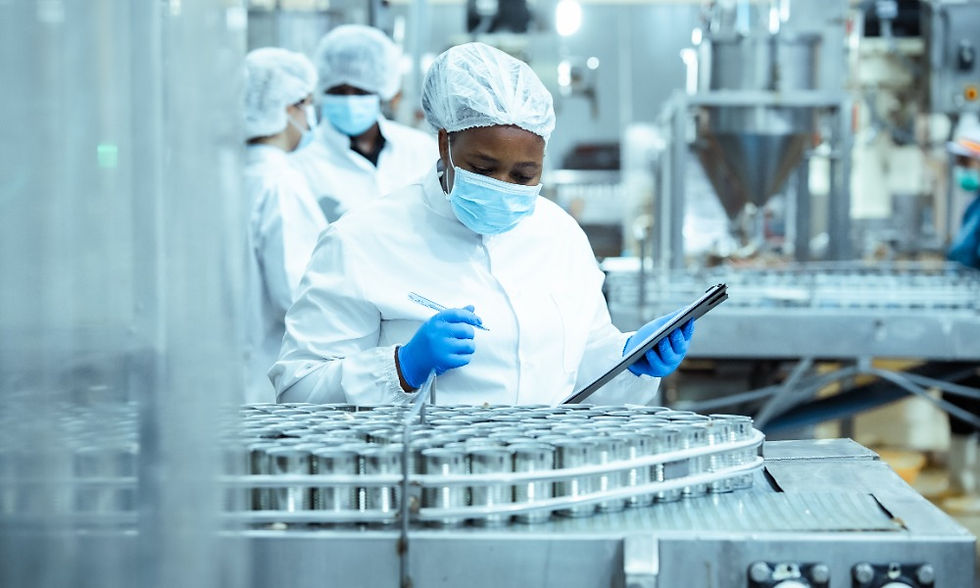
Food processing equipment operates under demanding conditions that require consistent attention. Understanding how to safeguard machinery in food processing plants helps businesses maintain reliable production while supporting product quality and workplace safety. A proactive maintenance approach reduces unnecessary downtime, extends equipment life, and keeps essential systems performing as intended throughout daily operations.
Prioritize Routine Inspections
Regular inspections allow maintenance teams to identify wear before it becomes a larger problem. Operators should examine moving components, seals, bearings, and protective guards for signs of damage or excessive friction. Addressing small concerns early prevents avoidable failures that interrupt production and create costly repairs. Consistent inspection schedules also encourage accountability and improve overall equipment reliability.
Use Proper Lubrication Practices
Lubrication plays an essential role in reducing friction and protecting equipment from premature wear. Selecting high-quality food-grade lubricants helps maintain safe production standards while supporting smooth mechanical performance. Maintenance personnel should follow manufacturer recommendations for lubricant type, application intervals, and storage conditions. Proper lubrication keeps machinery operating efficiently without introducing unnecessary contamination risks.
Keep Equipment Clean
Food residue, moisture, and debris can accelerate corrosion while affecting machine performance. Thorough cleaning after production shifts removes buildup that may interfere with moving parts or sensitive components. Employees should use approved cleaning procedures that protect equipment without damaging seals or electrical systems. Clean machinery operates more efficiently and remains easier to inspect during scheduled maintenance.
Train Employees on Equipment Care
Even well-designed machinery depends on knowledgeable operators. Employees should understand correct operating procedures, recognize unusual sounds, and report performance changes immediately. Proper training reduces accidental misuse while encouraging quick responses when minor issues appear. A workforce that understands equipment responsibilities helps prevent avoidable damage throughout the production process.
Follow a Preventive Maintenance Schedule
Preventive maintenance creates a structured approach to equipment protection instead of relying on emergency repairs. Scheduled servicing allows technicians to replace worn components before failures occur. Recording maintenance activities also provides valuable insight into recurring issues and future service needs. A consistent schedule supports dependable production while helping facilities manage maintenance costs more effectively.
Protect Machinery Through Consistent Care
Knowing how to safeguard machinery in food processing plants starts with consistent maintenance, proper cleaning, and well-trained employees. When businesses invest in preventive care and respond quickly to developing issues, they protect valuable equipment while supporting efficient operations. Reliable machinery allows food processing facilities to maintain productivity with fewer unexpected interruptions and greater confidence in daily performance.



Comments