


Waste-Smart Habits for Grand Rapids Food Firms
- The Chronicle News

- 2 days ago
- 3 min read
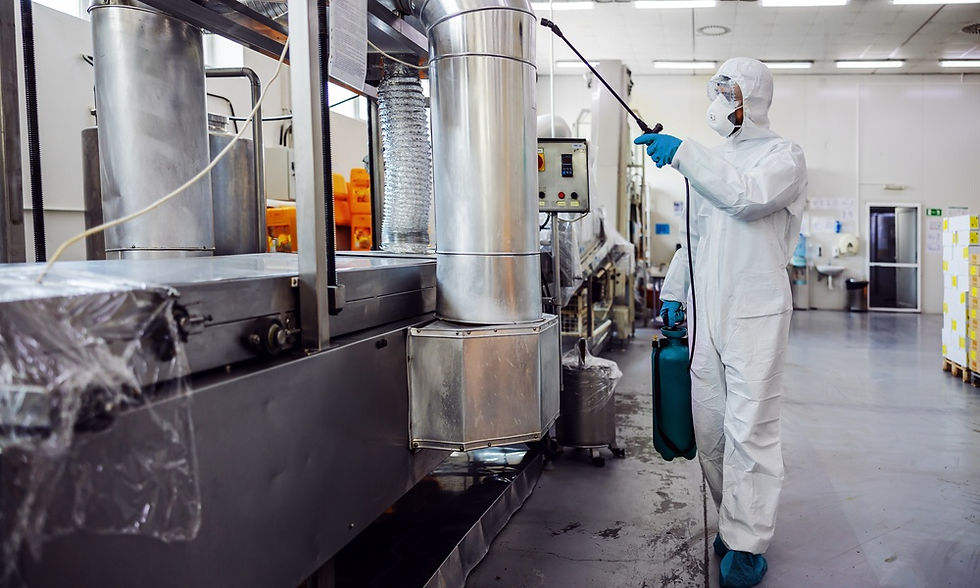
Food work moves fast in Grand Rapids. A prep table fills, a cooler gets rearranged, and a delivery can land right before the lunch rush. During that pace, waste can start to look like part of the job.
It doesn’t have to stay that way. Strong waste-smart habits for Grand Rapids food firms can help owners protect profit while honoring the neighborhoods that support them. A smarter routine starts before anything reaches the dumpster.
Order From the Pattern, Not the Panic
Extra inventory can feel safe when a busy weekend sits on the calendar. Too much food, though, can crowd storage and shorten the window that staff have to use fresh ingredients.
Recent sales tell a clearer story than guesswork. School schedules may shift demand. The weather can change how people shop or dine out. A food firm that watches those patterns has a better chance of buying what the week can actually use.
That habit doesn’t require fancy software. A simple notes sheet can show which items sat too long or moved faster than expected.
Let Scraps Point to the Problem
Scraps can reveal where a process needs attention. Prep trim may show that staff needs a cleaner cutting routine. Repeated overproduction may indicate a batch size that no longer meets demand.
The EPA’s waste-food scale places prevention above all other options. Donation and recovery come next when food remains safe. That order matters because every pound kept out of the waste stream protects more value for the business.
A Quick Sorting Pause
Can staff still use this safely?
Could a donation partner accept it?
Did packaging touch the compost bin?
A short pause can keep one rushed decision from spoiling a better system.
Give Leftovers a Better Exit
Some material still needs a responsible path out of the kitchen. Michigan EGLE encourages food waste reduction and composting as part of stronger materials management, providing food firms with a useful direction for scraps that no longer belong in production.
Composting won’t fix overbuying. It can, however, reduce the amount of organic material heading to disposal. Grand Rapids firms can begin with prep scraps during slower shifts, then expand the routine.
Turn the Waste Bill Into Evidence
A waste invoice can feel like another bill in the stack. Read closely, though, and it can show how well the system works inside the building.
Pickup frequency may no longer match the business. Container size might hide a sorting issue. Contamination notes can reveal where staff need clearer bin labels. A smart KPI helps managers compare invoices to actual activity rather than relying on a gut feeling about what changed.
Make the Plan Easy During a Rush
Waste reduction works best when staff can follow the plan under pressure. Clear labels near bins help, but language matters too. If workers use more than one language, signs should reflect that.
Training should feel direct and respectful. A busy shift doesn’t leave much room for confusing rules, so the system has to make the right choice easy.
Keep More Value in the Neighborhood
The strongest Grand Rapids food firm waste-smart habits make less waste feel normal instead of special. Owners can track patterns, give staff clear steps, and keep usable food moving without adding extra noise to the routine.
Food waste affects disposal costs and local resources. It also shapes the trust a business builds with customers. Less waste keeps more value in the community that helped build the business.



Comments