


Abdul El-Sayed Makes His Case for a Different Kind of Politics in Michigan’s U.S. Senate Race


As Michigan voters prepare to choose their next United States senator, Abdul El-Sayed is asking them to consider not only what government does, but who it ultimately works for. The Democratic nominee has built his campaign around an argument that families are paying too much for health care, housing and everyday necessities while wealthy corporations and powerful political interests wield too much influence in Washington. A physician, epidemiologist and former public health director, El-Sayed has made health care and affordability central to his campaign. Now, after winning a competitive Democratic primary, he is taking that message statewide in the general election against Republican Mike Rogers.
El-Sayed’s road to the Senate race began far from the halls of Congress. A graduate of the Columbia University College of Physicians and Surgeons, he also studied public health and went on to serve in academia before returning to Michigan. He was appointed executive director and health officer for the Detroit Health Department and later served as Wayne County’s health director. Those experiences have become a central part of the story he tells voters about why he believes public policy should be judged by how directly it improves people’s lives.
During his years in public health, El-Sayed worked on programs addressing issues ranging from children’s vision care and opioid overdose prevention to lead exposure and medical debt. In Wayne County, he helped launch an initiative designed to eliminate qualifying residents’ medical debt, an effort that has since erased tens of millions of dollars in outstanding bills for residents. He points to that work as evidence that government can make a tangible difference when leaders focus on the economic pressures families experience every day. His critics, however, have questioned portions of his record and whether some of the ambitious goals associated with those programs were fully achieved.
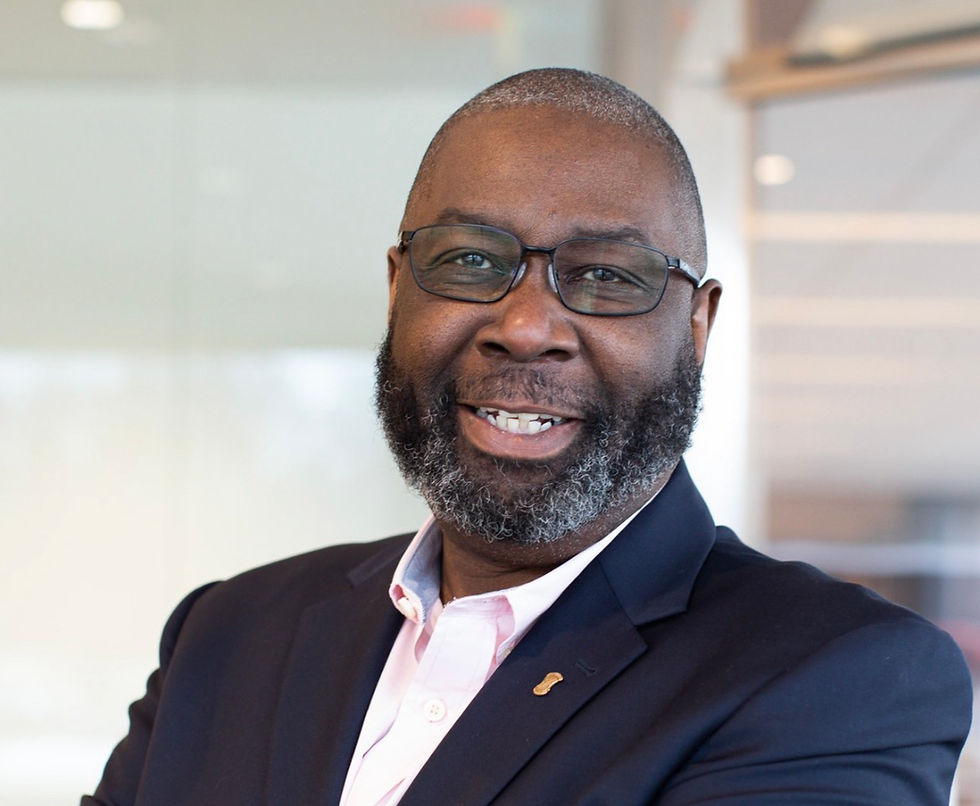
Abdul El-Sayed connects with Michigan residents during campaign stops and community conversations across the state. The U.S. Senate candidate has emphasized health care, affordability and economic concerns as he makes his case to voters ahead of the 2026 election. Photos courtesy of Abdul for U.S. Senate.
Health care remains perhaps the clearest dividing line in El-Sayed’s campaign. He supports Medicare for All and argues that medical treatment should not depend on a family’s income, employment or ability to navigate complicated insurance systems. His campaign also emphasizes protecting Social Security and Medicaid while reducing prescription drug and health care costs. For El-Sayed, the debate is deeply connected to a broader question of affordability: how much money families have left after paying for the things they cannot live without. That affordability argument extends beyond the doctor’s office. El-Sayed has made raising wages, reducing everyday costs and strengthening economic security major themes of his campaign. He has repeatedly argued that Michigan residents are working hard but increasingly feel that the basic pieces of a middle-class life, including housing, groceries, health care and raising a family, are becoming harder to afford. His campaign presents that economic anxiety not simply as a matter of inflation or individual choices, but as the result of political and economic systems that he believes have become too responsive to corporations and wealthy interests.
Money in politics has consequently emerged as another defining theme of his campaign. El-Sayed has rejected corporate PAC contributions and has argued that elected officials cannot effectively challenge powerful industries if those same industries are helping finance their political careers. During the Democratic primary, that position became particularly prominent as tens of millions of dollars in outside spending poured into the race. His victory gave his campaign an opportunity to argue that a candidate could withstand that financial disadvantage and still build a winning coalition.
El-Sayed now faces a different challenge: expanding that coalition for a statewide general election. His progressive positions have energized many voters, particularly in college communities and other areas where he performed strongly during the primary, but Republicans have sought to portray him as outside Michigan’s political mainstream. He has also faced questions about whether he can strengthen his support among constituencies where his primary performance was weaker. The general election will test whether his message about health care, affordability and political power can bridge those divisions.
Michigan’s Senate contest is ultimately about more than two candidates. It arrives at a moment when families across the state are asking difficult questions about what kind of economic future remains possible for them and whether government is capable of responding to their concerns. El-Sayed is offering voters one answer: government can work differently, but only if political power shifts away from the institutions and interests he believes currently dominate it. Rogers is offering voters a sharply different political vision, giving Michiganders a consequential choice in November.
For El-Sayed, the argument comes back to the same idea that has followed him from public health into politics: public service should produce results people can actually feel in their homes, their wallets and their communities. His campaign is betting that enough Michigan voters are ready for that approach to send him to Washington. With an open Senate seat on the ballot, voters will soon decide whether they agree.
PAID FOR BY ABDUL FOR U.S. SENATE


Comments