


From Michigan to an HBCU: A Fall Planning Guide for Students and Families

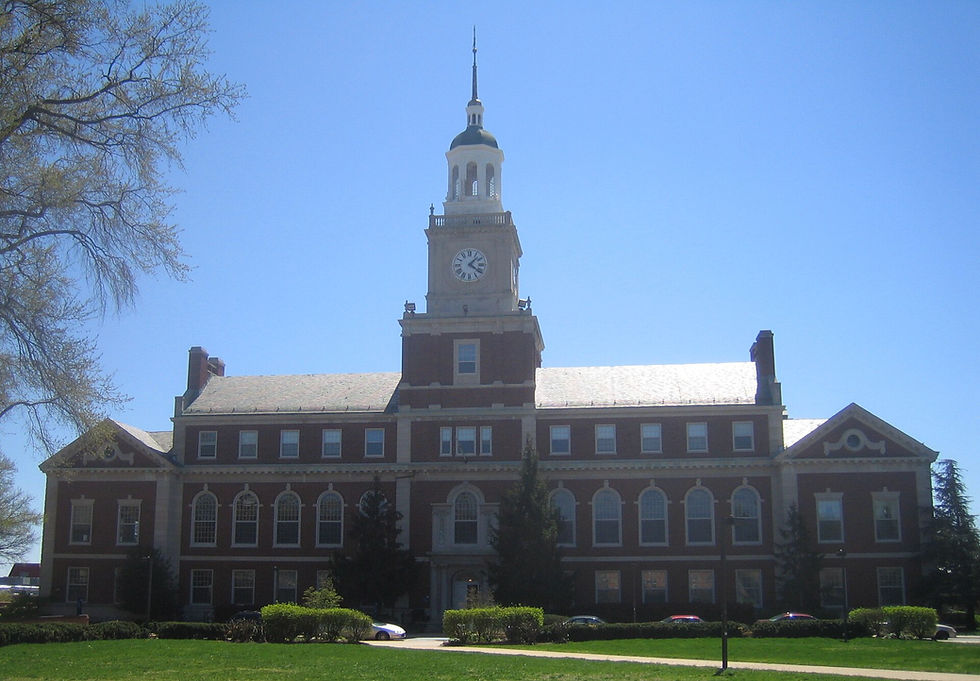
For Michigan students thinking about attending a Historically Black College or University, fall is when curiosity should begin turning into a plan.
HBCUs differ widely in size, setting, academic strengths, campus traditions and cost. Some are public, some private, some are in major cities and others are rooted in smaller communities. The right question is not simply, 'Which HBCU is best?' It is, 'Which HBCU fits this student?'
Start with the academic program
A campus can feel perfect and still be the wrong academic fit. Students should begin by identifying colleges that offer the major, concentration or professional pathway they are considering. They should also look at accreditation requirements for fields such as nursing, education, engineering and other licensed professions.
Compare the real cost
Sticker price does not tell the whole story. Families should compare tuition, housing, meal plans, travel from Michigan, scholarships and grants. Ask each institution what aid is automatic with admission and what requires a separate application.
Visit when possible — and talk to people
College fairs, HBCU events and campus visits can help students move beyond websites and rankings. Ask current students about advising, residence life, internships, campus safety, student organizations and what support looks like when a student is struggling academically or personally.
Look at transfer pathways too
Students do not necessarily have to enter an HBCU directly from high school. Lansing Community College, for example, maintains HBCU transfer information among its transfer resources. A carefully planned community-college route can be an option for students who want to begin closer to home or manage costs before transferring.
Understand what makes HBCUs distinct
Historically Black Colleges and Universities were created in a nation where Black students were routinely excluded from many institutions of higher education. Today, they remain centers of scholarship, leadership, culture and community. The Smithsonian's National Museum of African American History and Culture notes the deep role HBCUs have played in American education, arts, athletics and social movements.
Students should approach the search with both pride and practicality. Learn the history. Feel the culture. Then read the financial-aid letter, study the academic program and ask the hard questions. A college choice should honor both the dream and the details.
Sources: Lansing Community College; Smithsonian National Museum of African American History and Culture.


Comments