


What Young Drivers Can Learn From Working on Classic Cars
- Dianne Pajo
- 3 hours ago
- 5 min read

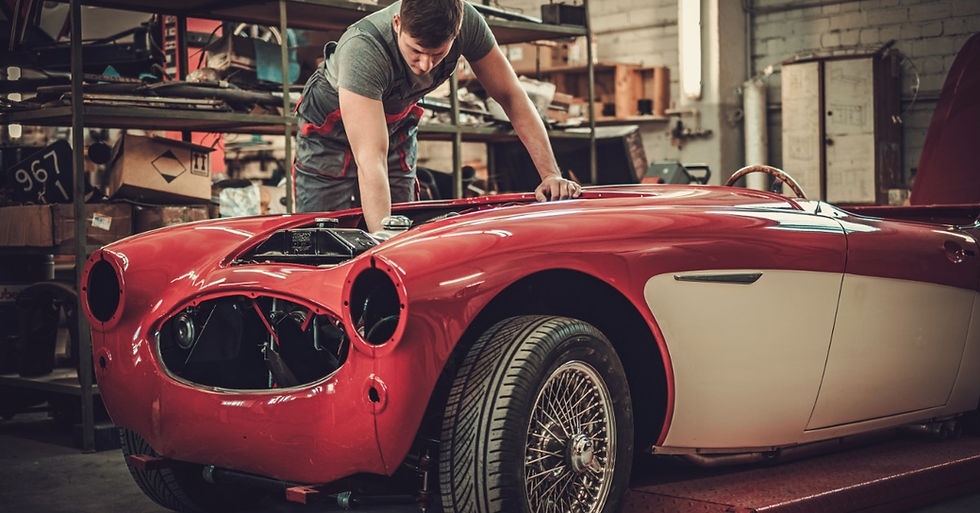
Pop the hood on many classic cars, and there’s plenty to look at. Hoses have visible destinations, mechanical linkages move in front of you, and an engine problem may ask for some old-fashioned investigation. The experience feels different from opening the hood of a newer car filled with electronic controls.
That difference gives younger enthusiasts a chance to get curious about what happens between turning the key and pulling onto the road. Young drivers can learn from working on classic cars because older vehicles make many automotive lessons easier to see firsthand. A few hours in the garage can change the way someone listens to a car and approaches a problem.
You Start Listening Instead of Waiting for a Warning
Modern vehicles can notify drivers of a wide range of issues through dashboard lights and digital messages, making troubleshooting more straightforward. In contrast, older cars often require the driver to do more detective work.
For example, you might notice the engine idling unevenly or the steering feeling different on your way home. Someone familiar with classic cars may pay closer attention to these subtle signals because they contain important information. This attentive habit benefits all drivers, encouraging them to investigate small changes early rather than waiting for a dashboard warning.
Driving a classic car exposes young drivers to older technology like carburetors or distributor ignition systems, helping them understand these systems and gain perspective on modern car tech.
Guessing Gets Expensive Fast
One of the fastest ways to blow through a project-car budget is by buying parts without first diagnosing the problem. Imagine an older car that suddenly has trouble starting. It might be tempting to order the part that seems like the obvious fix, but a closer look could reveal a simple electrical connection issue instead.
Troubleshooting teaches a young mechanic to gather evidence before spending money. It also makes the eventual fix far more satisfying because the repair has a reason behind it.
That mindset matters when money for a project car must compete with everyday expenses. An unnecessary purchase might mean waiting another month for a needed repair.
An Old Car Will Test Your Patience
Classic cars have had decades to develop quirks. Previous repairs can also leave surprises for the next person who picks up the wrench.
A job that looks easy in a video may change once a rusted fastener refuses to move. An old electrical problem might require tracing wiring rather than replacing the first suspicious component.
Rushing rarely helps. Forcing a part can turn a small repair into a larger one, while taking time to investigate gives the owner a better chance of finding the actual problem.
The same patience matters when a project grows from basic repairs into restoration. Changing an original part or choosing the wrong replacement can create headaches later, so owners should research the car before reaching for the toolbox. Even familiar models, such as a vintage Corvette, have restoration mistakes worth avoiding before making changes that are difficult or expensive to reverse.
Previous Owners Leave Clues Behind
Every old car has a story, and some of that story is written under the hood. A previous owner might have fixed a wiring issue years ago, or replaced an original part with something newer. Looking closely at these changes helps young enthusiasts learn how repair choices impact a vehicle long after the work is done.
It also trains their eye when shopping for an older car. While fresh paint can catch your attention, the maintenance records often tell a deeper story about how well the car was cared for. A young buyer can ask who did major repairs and when, revealing details that appearance alone can’t show.
The Garage Gives Knowledge Somewhere to Go
Automotive knowledge has long been shared across generations, and classic cars provide an ideal setting for that transfer. A young driver might have a relative who remembers working on carbureted engines or a neighbor familiar with an older transmission. Seeking guidance allows seasoned enthusiasts to pass down skills they've honed over the years. Michigan offers an ideal environment for these exchanges. Its automotive heritage extends beyond assembly lines, with generations of families engaged in manufacturing, repair, and personal projects involving cars. This history belongs to everyone. Young women interested in working on cars deserve equal opportunities to gain confidence through hands-on experience, regardless of who holds the wrench.
Some Jobs Belong in Professional Hands
Working on a classic car doesn't mean you have to handle every repair solo. As you get better with cars, it’s important to know your limits. A beginner might feel confident swapping out a simple part after looking up the right service details. But a tricky brake issue calls for more careful attention.
Before Reaching for a Tool
A few questions can help a young enthusiast decide what comes next:
Do I know what caused the problem?
Does the repair involve a safety-related system?
Do I have the correct tools for this job?
Would an experienced mechanic provide a safer path?
Service manuals also matter. Documentation for the correct model and year can provide specifications that a generic online video may miss.
Professional help doesn't take away from the hands-on experience. Watching skilled work and asking informed questions can become part of the education.
A Project Car Makes a Budget Feel Real
A classic car can turn vague ideas about money into tangible figures. The purchase price is just the beginning. An older vehicle might require maintenance soon after it’s brought home, and cosmetic upgrades can be postponed if mechanical repairs are needed. Young owners soon face decisions about where to allocate their funds. Safety matters more than impressing others at a car meet.
Planning also helps owners avoid tearing the vehicle apart all at once. Completing one manageable job before moving forward can keep a project from becoming an expensive collection of loose parts.
Those lessons carry into everyday car ownership. Maintenance costs become easier to respect once someone has personally priced a repair.
You Stop Treating the Car Like a Mystery
The biggest change may happen quietly. After enough time around an old car, opening the hood no longer feels intimidating. A young driver starts recognizing components that once looked unfamiliar. A strange noise becomes something worth investigating, not an instant reason to panic.
Nobody needs to become a professional mechanic to benefit. Working on classic cars can teach young drivers how much they can figure out when they stay curious and know when to ask for guidance.
Classic cars also connect generations through something tangible. The vehicle may come from another era, yet the confidence you gain while caring for it still has value on the road today.


Comments