


Beyond the Bridge: Denise Octavia Smith Calls for Greater Investment in Michigan’s Community Health Workers

As healthcare policies shift and families face growing uncertainty, a national community health leader says the professionals connecting people to care deserve more than recognition.
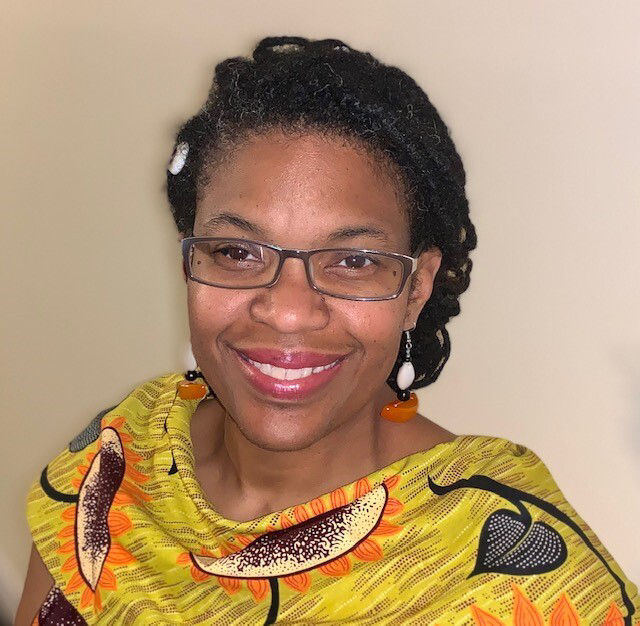
Across Michigan, community health workers are helping families navigate a healthcare system that can be difficult to understand and even harder to access. They connect residents with medical providers, assist people managing chronic illnesses, and help individuals overcome barriers involving housing, food insecurity and other basic needs. Yet the professionals performing this essential work face challenges of their own, including uncertain funding, inadequate compensation and increasing demands on their services. For Denise Octavia Smith, a nationally recognized community health leader, strengthening this workforce is not simply a healthcare priority but an investment in the well-being of entire communities.
Smith, who serves as Head of Workforce Innovation at Pear Suite, delivered the keynote address at the 14th annual Michigan Community Health Worker Alliance (MiCHWA) conference in October. A community health worker herself, she has spent years advocating for greater recognition, professional development and sustainable support for the workforce. Her leadership includes serving as the inaugural executive director of the National Association of Community Health Workers and co-founding the Community-Based Workforce Alliance. In an email interview with The Chronicle News, Smith discussed the challenges facing Michigan families and the changes she believes healthcare leaders must embrace.
Building Trust, Removing Barriers
Community health workers, commonly called CHWs, often serve as the connection between healthcare institutions and the neighborhoods they serve. Their responsibilities can include helping patients understand medical instructions, navigate health coverage, access community resources and manage ongoing health conditions. Smith explained that their work also extends into poverty, substance use, homelessness, violence prevention and other circumstances that influence health outcomes. What unites these responsibilities, she said, is a commitment to understanding people before attempting to solve their problems.
“We listen to the needs and dreams of individuals and families first,” Smith told The Chronicle News. She explained that community health workers collaborate with residents to identify obstacles that prevent them from achieving their health and life goals. That approach recognizes that healthcare access involves more than scheduling an appointment or obtaining a prescription. It also requires understanding the everyday realities that influence whether someone can receive and maintain appropriate care.
Medicaid Changes Raise Concerns
The importance of community health workers becomes particularly apparent when public assistance programs and healthcare coverage undergo major changes. Smith expressed concern about the effects of federal policy changes on Michigan residents who depend on Medicaid and food assistance. Citing figures attributed to the Michigan League for Public Policy and state enrollment reports, she pointed to substantial losses in public assistance and Medicaid coverage. Those figures warrant independent verification, but her broader concern is clear: families already facing financial pressure may encounter additional obstacles to maintaining their health.
For residents living with diabetes, asthma or high blood pressure, losing coverage can create immediate challenges. Medication, nutritious food and regular medical appointments are ongoing needs that do not disappear when insurance eligibility changes. Smith warned that people losing Medicaid or other assistance may be forced to seek financial help from medical facilities or pay healthcare expenses themselves. Community health workers, meanwhile, must understand changing eligibility and verification requirements to help residents navigate available resources.
A Workforce That Needs Sustainable Support
Although Michigan has taken steps to recognize community health workers through credentialing and Medicaid reimbursement for certain services, Smith believes those measures are only a beginning. She argues that relying heavily on short-term grants and limited reimbursement opportunities leaves organizations and workers vulnerable to funding disruptions. A more sustainable approach, she said, would require collaboration among government agencies, healthcare providers, insurers, philanthropic organizations, employers and nonprofits. Those partners would need to coordinate funding, policies and measures of success while recognizing the full scope of community health workers’ contributions.
Smith believes this coordination could help ensure that community health workers earn living wages and receive appropriate professional support. It could also give healthcare organizations a clearer understanding of the value these workers provide beyond individual medical interventions. The Michigan Community Health Worker Alliance is helping advance these conversations by bringing partners from multiple sectors together. For Smith, long-term investment is necessary if communities are to continue benefiting from the trust, knowledge and relationships that CHWs build.
From Bridges to Bridge Builders
During her keynote address, Smith challenged conference participants to reconsider how they describe the community health workforce. CHWs are frequently celebrated as bridges connecting public health, medical care, behavioral health and social services. But Smith warned that bridges can deteriorate when society depends on them without making the investments necessary to sustain them. She compared the profession’s experience with disinvestment to physical infrastructure strained by extraordinary demands.
Her message went beyond asking policymakers to preserve existing programs. Smith urged healthcare leaders to recognize community health workers as professionals capable of designing solutions and shaping the systems in which they work. She described them as “bridge builders,” emphasizing their expertise, innovation and importance to society’s health. The distinction is significant because it positions community health workers not merely as support personnel but as contributors to the future of healthcare delivery.
As Michigan continues confronting questions about healthcare affordability, Medicaid access and community well-being, Smith’s message presents a challenge to policymakers and healthcare institutions alike. Recognizing the importance of community health workers must be accompanied by meaningful investments in their professional and financial stability. For residents navigating complicated systems, these workers can represent a trusted source of information, advocacy and connection. Supporting the people who build those connections may be one of the most important steps toward creating healthier, more resilient communities.



Comments