


Mistakes to Avoid When Installing Container Roof Covers

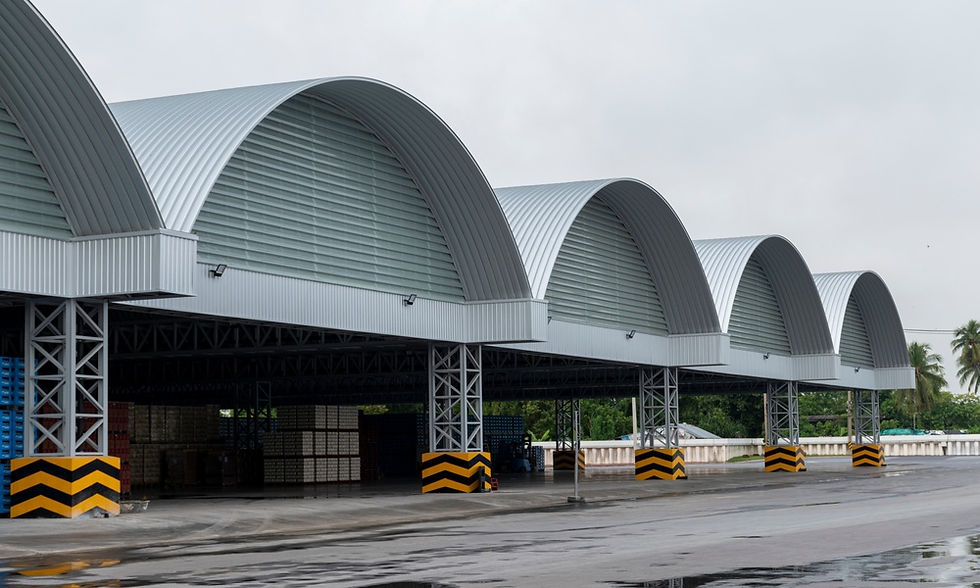
Outdoor covered space can help businesses protect equipment and improve daily operations. Successful installation starts before crews lift the first roof panel.
Many common mistakes made with container roof covers come from rushed planning. Business owners and facility managers can avoid delays by checking site conditions, access needs, and drainage before installation begins. Here are some of the most common installation mistakes to note so you can avoid delays on your work site.
Skipping Site Preparation
A weak site plan can create problems throughout the project. Containers need level ground and a stable base to support proper roof alignment. Uneven surfaces can cause gaps and stress on connection points. Facility teams should review soil conditions and prepare the surface before delivery.
Gravel pads often work well for outdoor storage areas. Concrete may suit sites with heavy traffic or long-term equipment use.
Choosing the Wrong Span
A roof span should match the daily work that happens below it. A narrow layout can limit forklift access or block large equipment. A wide span can help with movement and storage. The selected size still needs to match kit specifications and site conditions.
Before ordering materials, review these factors:
Tallest equipment
Widest load
Container length
Traffic direction
Future storage needs
A practical layout supports current operations. It also leaves room for changes as inventory or workflows shift.
Ignoring Drainage
Water creates many preventable site problems. Poor drainage can lead to mud and unsafe walking areas. Roof slope and runoff direction need early attention. Water should move away from containers and high-traffic lanes.
Facility managers should review existing drainage after a heavy rain. A simple check can reveal low spots and flow paths.
Blocking Equipment Access
A covered structure should improve movement. Poor placement can create tight turns and loading delays.
Truck routes need enough space near the structure. Forklifts also need clear paths at entry points. Pedestrian access deserves the same attention. Marked walkways can reduce conflicts between workers and equipment.
Overlooking Local Conditions
Wind, snow, rain, and sun exposure all affect structure performance. A roof cover should match the demands of the property.
Review coverage using container roof kits to connect site layout with weather and operational needs. This step helps keep the structure useful beyond the installation date.
Ordering Without Reviewing Specifications
Every kit has specific dimensions and hardware needs. Skipping that review can delay installation.
A pre-installation checklist can reduce errors. Crews should confirm container spacing, roof orientation, hardware counts, and tool needs.
Treating the Structure as Standalone
A roof cover works best as part of the full facility layout. Storage zones, delivery paths, and work areas all influence performance.
Planning should focus on how materials move each day. Careful preparation can turn outdoor space into a practical covered work area. Smart planning helps businesses avoid costly roof cover installation mistakes and workflow problems.


Comments